Dr. Russo will be at Coral Lakes in Boca Raton, FL on January 14, 2027
—
Dr. Russo will be at Coral Lakes in Boca Raton, FL on January 14, 2027 —
Public Humanities Programs & Services
Teresa Russo is a scholar of medieval literature and a curator of public humanities programs dedicated to making cultural history accessible, engaging, and relevant. Her work bridges academic research, museum education, and community learning—offering lectures, publications, and thoughtfully designed programs for lifelong learners, cultural institutions, and university audiences.
Explore below a range of humanities programs—lectures, talk series, and reading circles—designed to bring art, literature, history, and culture to life for diverse learning communities.
Lectures
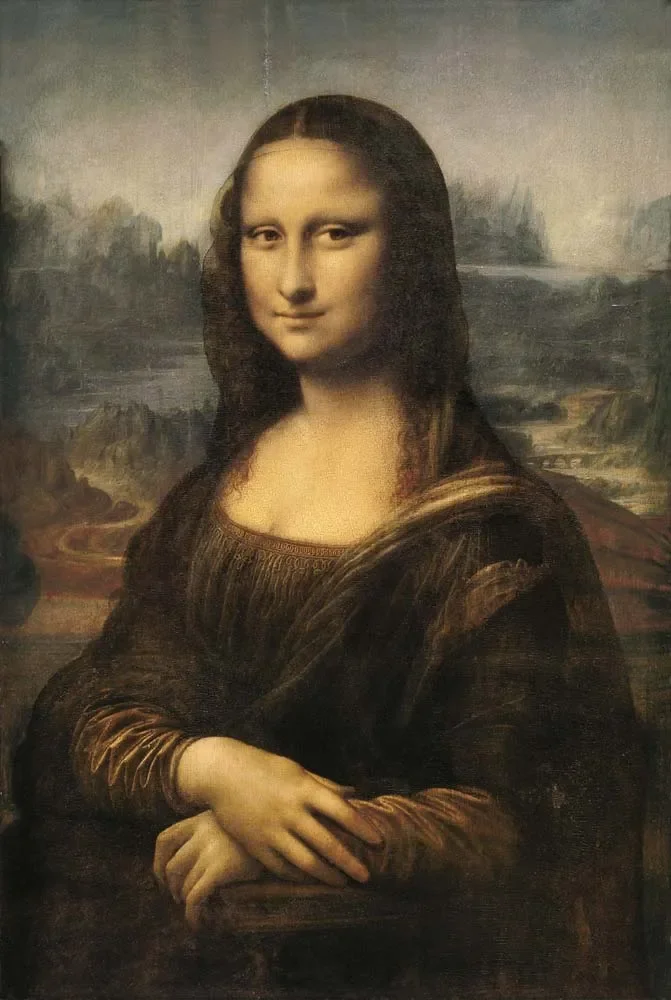
NEW! Through Mona’s Eyes: Three Museums, Three Centuries of Vision
Through Mona’s Eyes is a three‑part lecture series exploring 52 masterworks across five centuries, following Mona’s journey through the Louvre, Musée d’Orsay, and Centre Pompidou. Each lecture reveals how Mona interprets beauty, narrative, emotion, and modernity, offering audiences a rich, accessible, and visually compelling tour through Paris’s greatest museums. Participants do not need to read the book, Mona’s Eyes, to join the series—each lecture stands fully on its own and welcomes all learners.
Lecture 1 — The Louvre: Renaissance, Myth, and the Classical Imagination
This lecture traces Mona’s journey through the Louvre’s masterworks, revealing how Renaissance and classical artists shaped the foundations of Western visual storytelling. Through encounters with Leonardo, Botticelli, Raphael, Titian, and other artists, audiences explore how beauty, proportion, myth, and allegory teach Mona—and us—how to see.
Lecture 2 — Musée d’Orsay: Impressionism, Modernity, and the Transformation of Vision
At the Musée d’Orsay, Mona steps into the 19th century and discovers how artists like Manet, Monet, Degas, Renoir, and Cézanne redefined vision through light, movement, and psychological depth. This lecture examines the birth of modernity, showing how Impressionism and Post‑Impressionism transformed the act of looking into a personal, subjective experience.
Lecture 3 — Centre Pompidou: Avant‑Garde, Abstraction, and the Reinvention of Seeing
In the Centre Pompidou, Mona encounters the radical innovations of Picasso, Matisse, Kandinsky, Duchamp, and the Surrealists, who shattered traditional forms and reimagined what art could be. This lecture explores how abstraction, conceptual art, and contemporary movements invite Mona to see with new eyes, embracing complexity, experimentation, and the modern imagination.
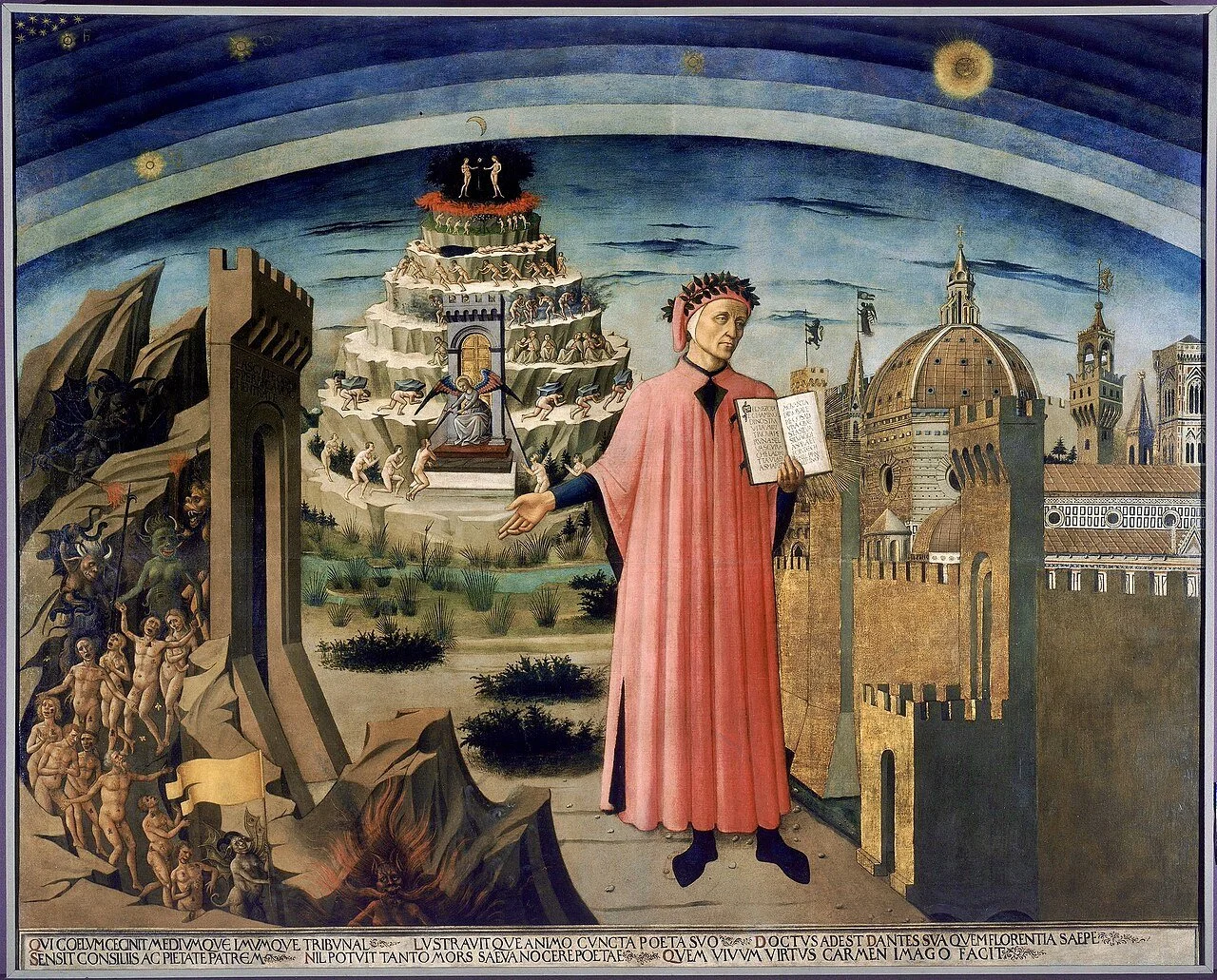
An Introduction to the Divine Comedy
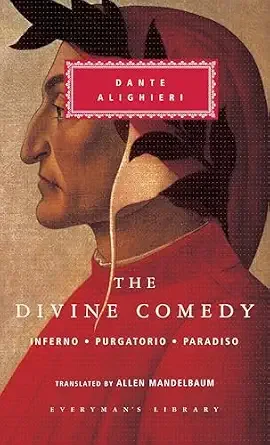
This lecture offers an accessible introduction to Dante’s Divine Comedy, tracing the poet’s journey through Hell, Purgatory, and Paradise. Participants explore the poem’s structure, major themes, and enduring cultural impact, gaining a foundation for understanding why Dante’s vision still shapes Western imagination.
Other lectures on Dante & The Divine Comedy:
Focused Canticle Lectures
Inferno — Dante’s descent through the realms of sin, moral consequence, and the psychology of evil.
Purgatorio — A study of spiritual renewal, moral growth, and the ascent toward grace.
Paradiso — Dante’s vision of cosmic harmony, divine love, and the soul’s final union with the eternal.
Thematic Dante Lectures
Dante and the Bible — Scriptural echoes, theological frameworks, and biblical typology throughout the Comedy.
Dante and Classical Philosophy — How ancient thought shapes Dante’s moral universe and metaphysical vision.
Dante and Aristotle — The Ethics, Politics, and Aristotelian cosmology as foundations for Dante’s intellectual world.
Dante and the Church Fathers — Patristic influences, early Christian theology, and the shaping of Dante’s spiritual imagination.
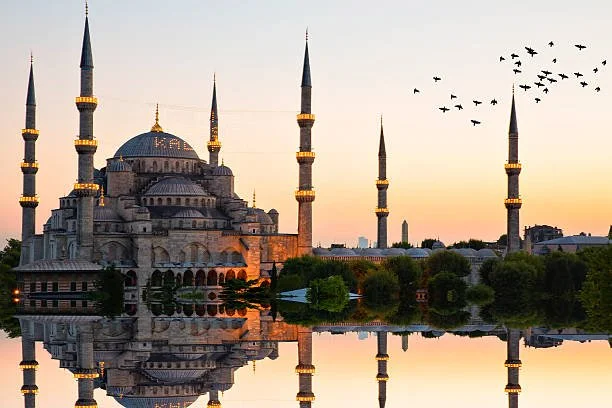
Byzantine art refers to the artistic tradition of the Eastern Roman Empire, centered in Constantinople from c. 330 to 1453. Characterized by luminous gold backgrounds, iconic faces, frontal figures, and spiritual abstraction, it sought to evoke divine presence rather than earthly realism. Mosaics shimmered across domes and apses, icons served as portals to the sacred, and every surface reflected theological symbolism. In architecture, monumental churches such as Hagia Sophia embodied celestial geometry through vast domes, marble revetments, and light‑filled interiors that transformed worship into visual transcendence. The Byzantine aesthetic radiated across Greece, Turkey, the Balkans, and the Eastern Mediterranean, shaping the spiritual and artistic vocabulary of Europe for centuries.
Byzantine Art and Architecture
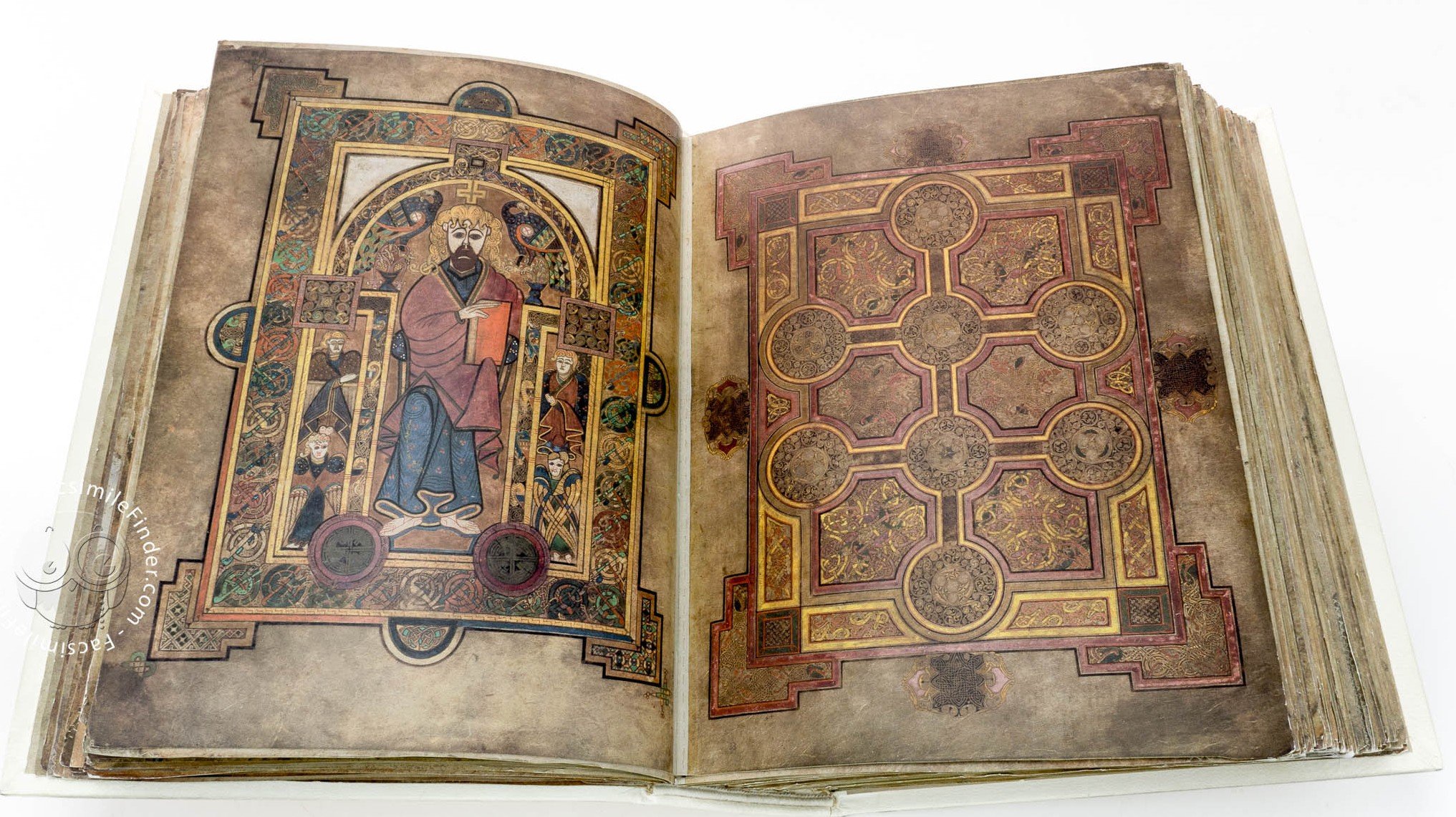
Medieval art encompasses the vast creative output of Europe between Late Antiquity and the Renaissance (c. 500–1400), a period of extraordinary diversity and transformation. It includes the Early Medieval traditions of the Migration Period and Insular art, the monumental Romanesque style, and the soaring elegance of Gothic architecture. From the intricate illuminations of the Book of Kells to the sculpted portals of Romanesque churches and the stained‑glass splendor of Gothic cathedrals, Medieval art reveals a world where faith, craftsmanship, and symbolism intertwined. Artists and builders sought to express divine order through geometry, light, and narrative, creating manuscripts, frescoes, reliquaries, and architectural marvels that shaped the visual imagination of Western civilization.
Medieval Art and Architecture
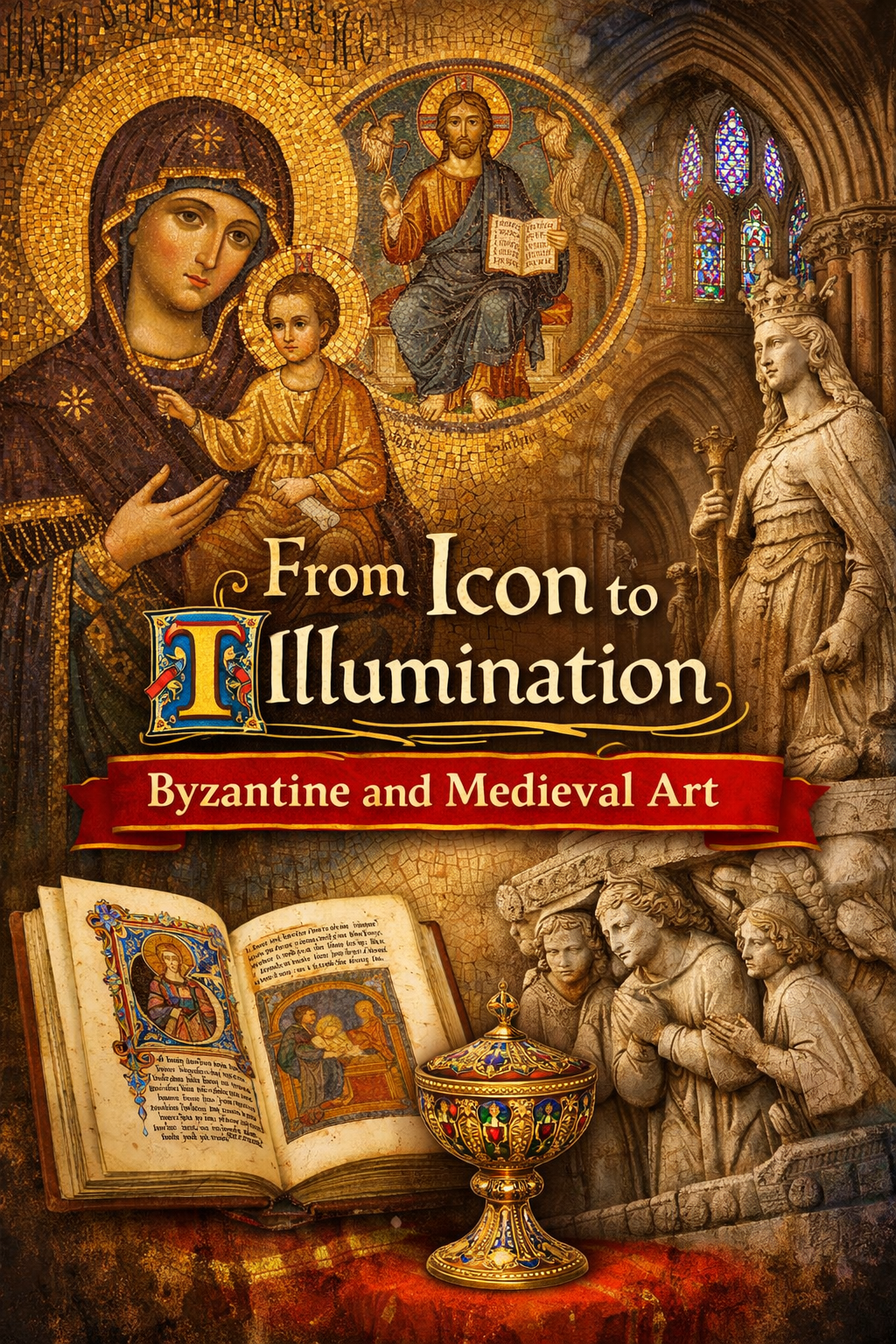
From Icon to Illumination: Byzantine and Medieval Art
This lecture explores the evolution of sacred imagery from the shimmering mosaics and icons of the Byzantine world to the richly illuminated manuscripts and sculptural programs of Medieval Europe. Participants trace how artistic traditions shifted from the spiritual abstraction of Constantinople to the narrative, architectural, and devotional innovations of Romanesque and Gothic Europe. The session highlights how cross‑cultural exchange, pilgrimage, and monastic scholarship shaped visual storytelling across a millennium.
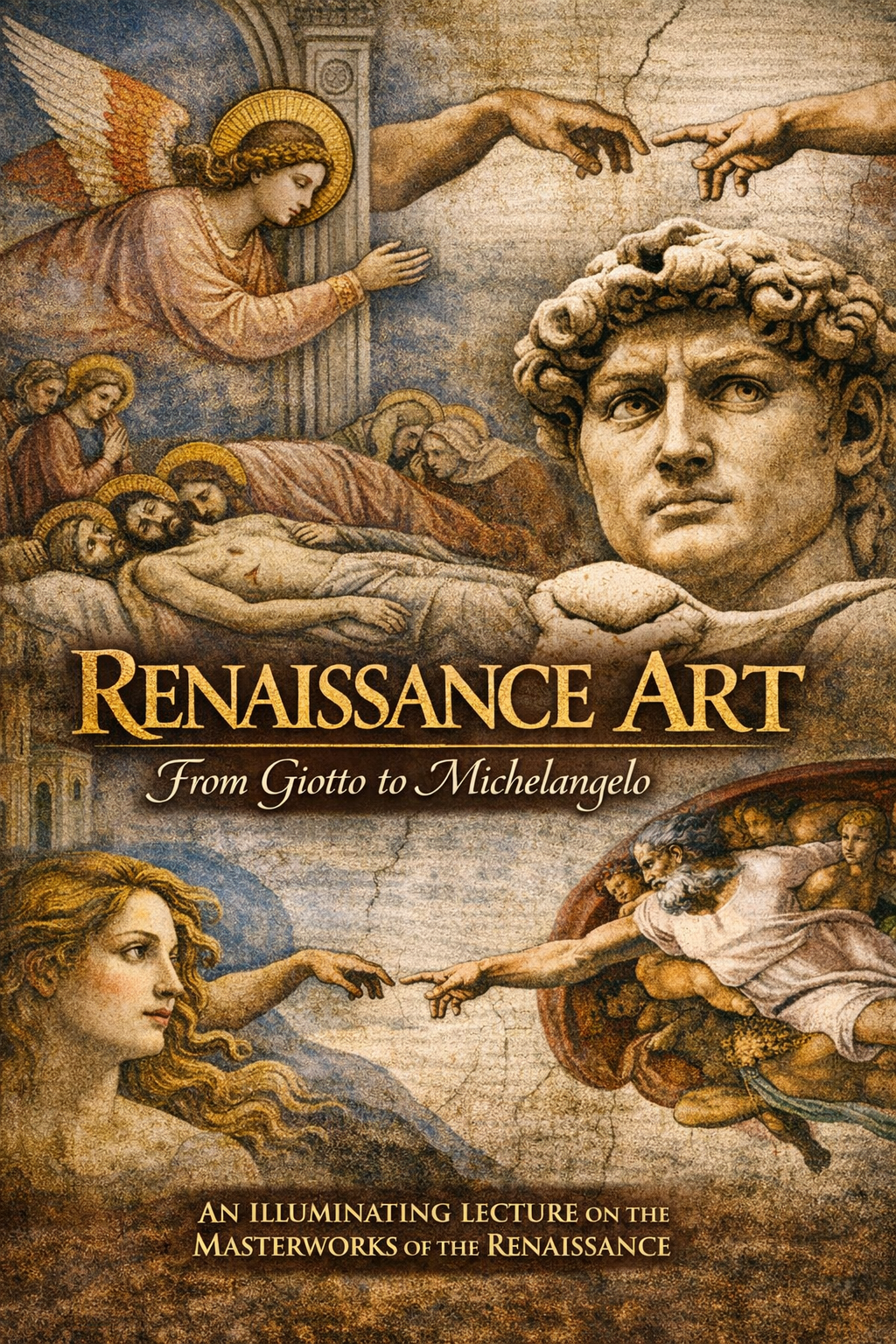
Italian Art from Giotto to Michelangelo: The Dawn and Triumph of the Renaissance
This lecture traces Italian art’s transformation from Giotto’s emotional realism to the High Renaissance. Highlighting Masaccio, Fra Angelico, Botticelli, Donatello, Leonardo, and Michelangelo, it explores perspective, humanism, and classical revival, offering a vivid introduction to two centuries of innovation in painting, sculpture, and architectural vision.
(Any talk can be created for art lovers, ranging from Byzantine to Renaissance, Italian Baroque, Spanish Baroque, and Alphonse Mucha or Auguste Rodin and other 19th c artists/Romantic artists whose work draws directly from literary sources.)
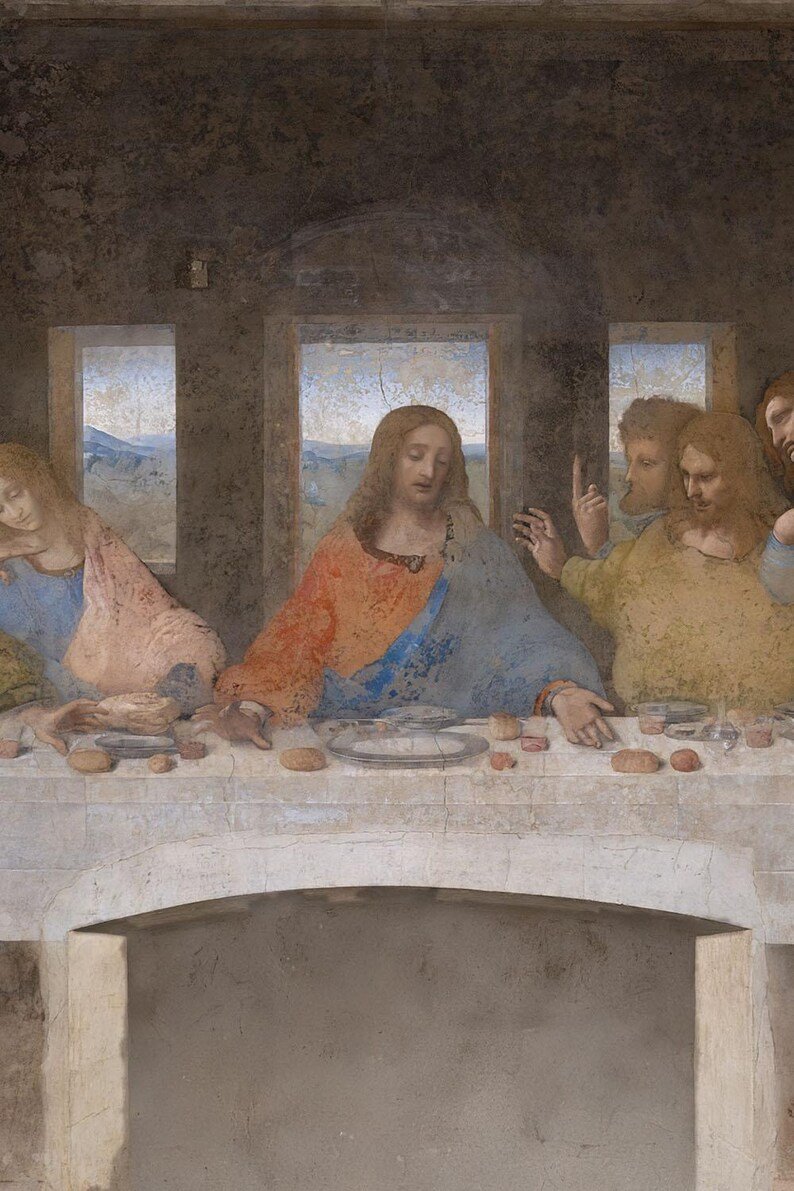
The Bible in Renaissance Art: Realism, Devotion, and Classical Influence
This lecture examines how Renaissance artists depicted the Bible with renewed realism, emotional depth, and classical influence. Through works by Botticelli, Leonardo, Michelangelo, and Raphael, we explore how familiar stories—Creation, Incarnation, Passion—were reinterpreted to express human experience, theological insight, and the era’s expanding artistic imagination. (This lecture can also be delivered in a two-part series with one lecture highlighting Old Testament and a second lecture highlighting the New Testament in art.)
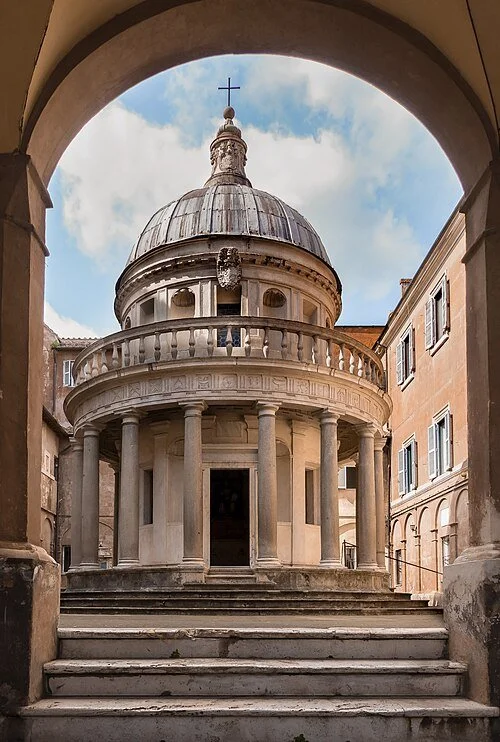
Renaissance Art & Architecture
Renaissance art marks the profound cultural rebirth that swept Europe from the 14th to the 16th century, beginning in Italy and transforming the visual language of the Western world. Rooted in humanism and a renewed study of classical antiquity, Renaissance artists pursued naturalism, anatomical accuracy, and harmonious proportion with unprecedented rigor. Painters developed linear perspective, atmospheric depth, and expressive realism that reshaped narrative and devotional imagery. In architecture, figures like Brunelleschi, Alberti, and Bramante revived classical forms—columns, domes, and geometric clarity—creating spaces that embodied balance, rationality, and civic pride. Sculptors such as Donatello and Michelangelo redefined the human figure as a vessel of psychological and physical power. Together, Renaissance art and architecture forged a new visual vocabulary grounded in observation, intellect, and the rediscovery of the ancient world.

Famous Literary Lovers in Art
This lecture explores how great love stories from literature—tragic, passionate, heroic, and transformative—have inspired some of the most memorable artworks in Western and global traditions. From Dante’s Paolo and Francesca to Shakespeare’s Romeo and Juliet, from the mythic devotion of Orpheus and Eurydice to the courtly romance of Tristan and Isolde, these couples reveal how artists across centuries visualized emotion, desire, and the complexities of human connection. The session invites participants to consider how storytelling and visual culture shape one another, and why these lovers continue to resonate today.
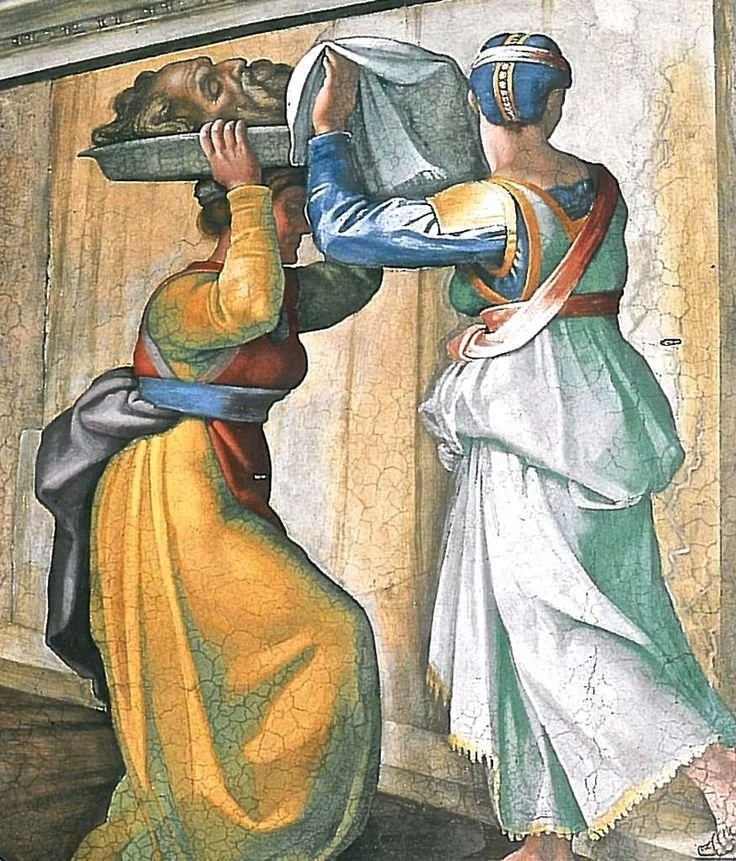
Judith Across Scripture: Jewish Tradition, Poetry, & Art
This lecture follows Judith from her origins as a celebrated heroine in Jewish cultural memory and the Deuterocanonical Book of Judith to her transformation into an Anglo‑Saxon warrior‑saint in Old English poetry. It then traces her powerful afterlife in Medieval and Renaissance art, revealing how each era reimagined her courage, faith, and political resistance in strikingly different cultural forms.
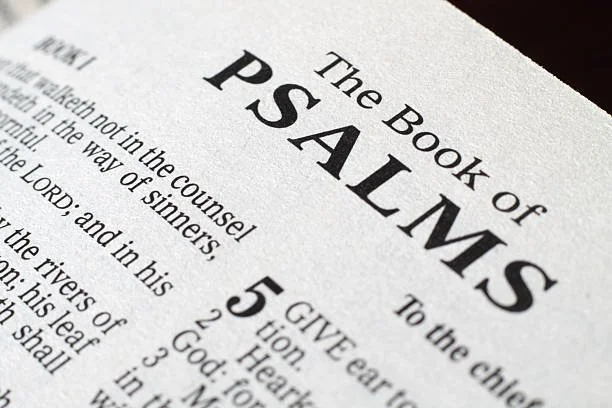
The Poetry & Power of the Psalms
This lecture explores the Psalms as one of the most enduring works of sacred poetry—texts that shaped worship, memory, and emotional expression for centuries. Participants will examine how the Psalms blend lament, praise, thanksgiving, and wisdom into a literary form that is both deeply personal and profoundly communal. Through close readings and visual examples from art and illuminated manuscripts, the session highlights how the Psalms have influenced music, liturgy, and artistic traditions from antiquity to the present. The lecture invites audiences to consider why these ancient poems continue to resonate across cultures and faiths, offering language for grief, hope, and spiritual imagination.
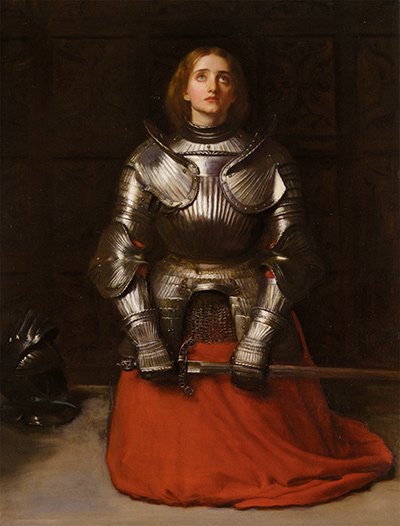
The Literary & Historical Women of Pre-Raphaelite Art
This lecture explores how Victorian artists reimagined literary and historical women—from Ophelia, Lady of Shalott to Francesca and St. Joan of Arc—as heroines, muses, and symbols of desire and creativity. Through works by Rossetti, Millais, Hunt, and Waterhouse, we examine how these figures, alongside Elizabeth Siddal and Christina Rossetti, shaped Pre‑Raphaelite art’s emotional power.
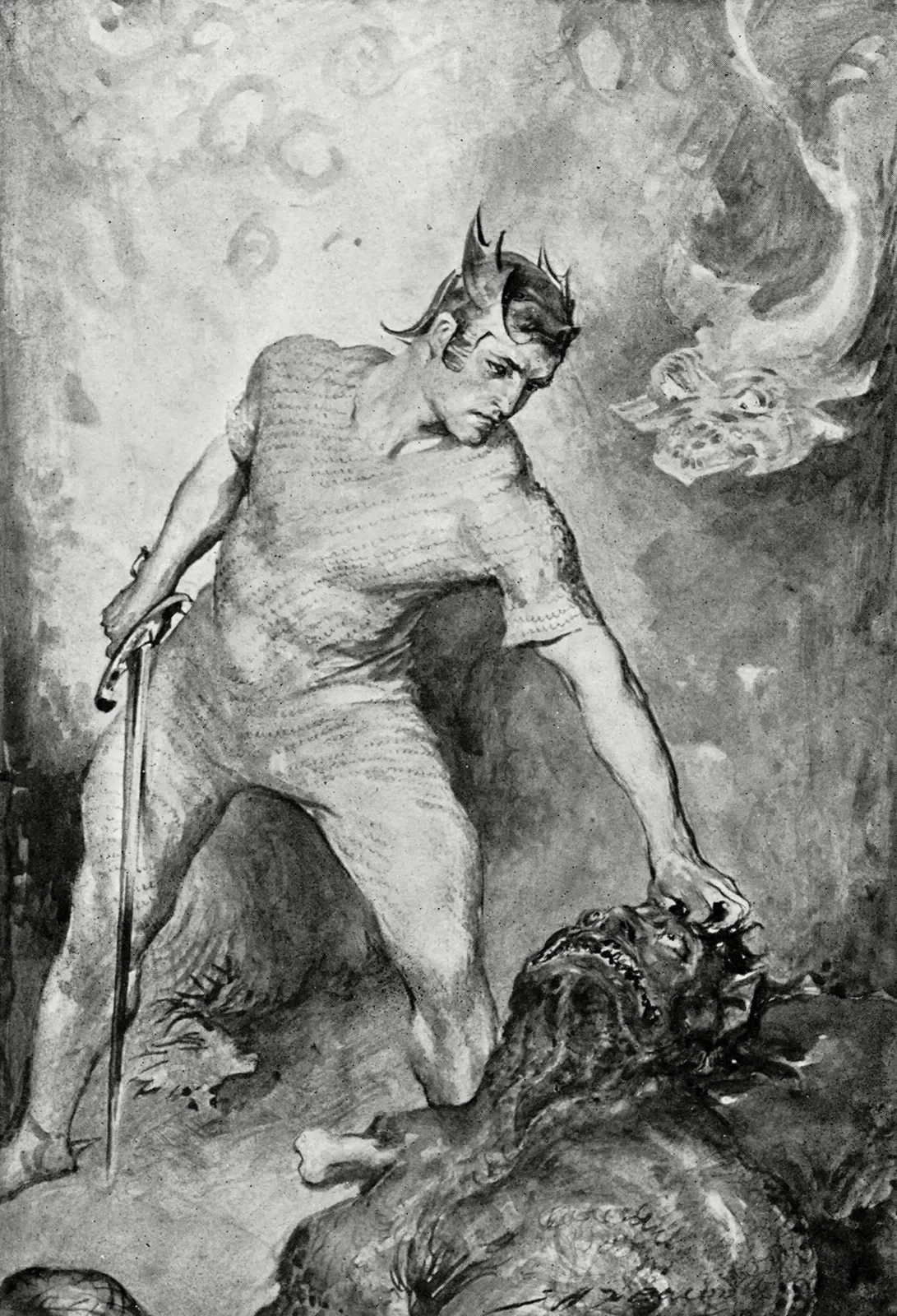
Faith, Fate, and the Heroic Imagination: Christian Thought in Beowulf
This lecture examines how Beowulf blends Christian theology with Germanic heroic values, revealing a culture shaped by both divine providence and warrior ethics. Through key scenes of kingship, monstrosity, and providence, we examine how the poem negotiates faith, fate, and the meaning of righteous action in an evolving medieval culture.
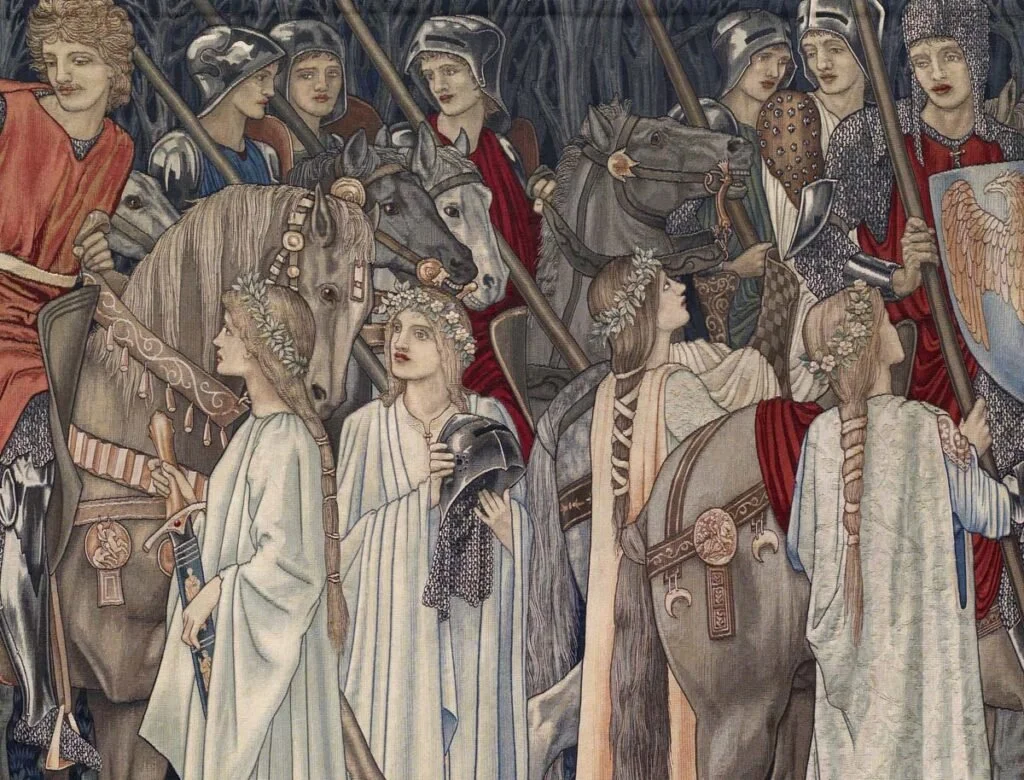
Christian Ideals in the World of King Arthur
This lecture introduces the Christian culture of King Arthur’s court, highlighting how medieval authors infused the Round Table with ideals of virtue, justice, and spiritual questing. Through key episodes and characters, we explore how Christian ethics shaped Arthurian concepts of kingship, knighthood, and communal responsibility.
Books and narratives that can be highlighted as separate lectures include: Geoffrey of Monmouth’s History of the Kings of Britain, Chrétien de Troyes’ Arthurian romances, Sir Gawain and the Green Knight, Le Morte D’ Arthur, the Holy Grail traditions, the Tristan legend, Perceval and the Grail Quest, the lais of Marie de France, the Lancelot-Grail Cycle, Merlin traditions, Morgan le Fay narratives, and Tennyson’s The Lady of Shalott.
In addition, a lecture on the various cycles can be explained in a talk entitled, The Arthurian Cycles: From Chronicle to Quest
The Origins of Opera: Music, Myth, & Renaissance Imagination
Opera emerged at the crossroads of music, poetry, and Renaissance humanism. This lecture traces its beginnings in late‑16th‑century Florence, where scholars and musicians of the Florentine Camerata sought to revive the power of ancient Greek drama through expressive, text‑centered music. Participants explore how early experiments in monody, court spectacle, and mythological storytelling gave rise to a new art form—one that blended emotional intensity with theatrical grandeur. Through early scores, visual materials, and historical context, the session highlights how works like Peri’s Euridice and Monteverdi’s Orfeo established opera as a cultural force that would shape European artistic life for centuries.
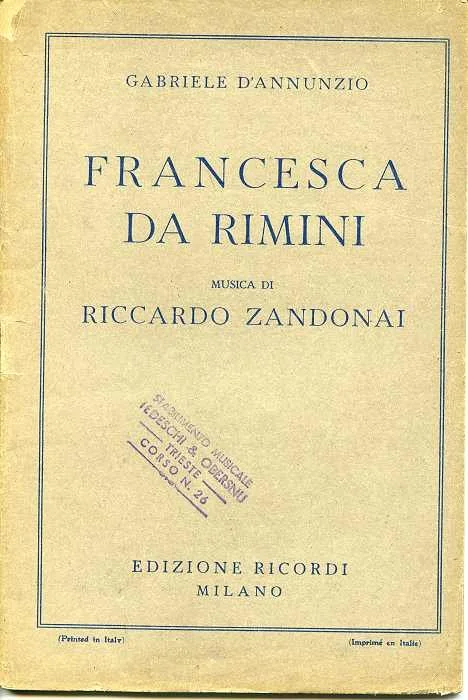
Dante on Stage: The Divine Comedy in Opera
Explore how composers across centuries have transformed Dante’s Divine Comedy into powerful musical drama. This session highlights operatic interpretations of Hell, Purgatory, and Paradise through selected arias — Francesca da Rimini (Tchaikovsky), Paolo e Francesca (Rachmaninoff), and scenes from Zandonai’s Francesca da Rimini — revealing how Dante’s vivid characters and emotional landscapes continue to inspire operatic storytelling.
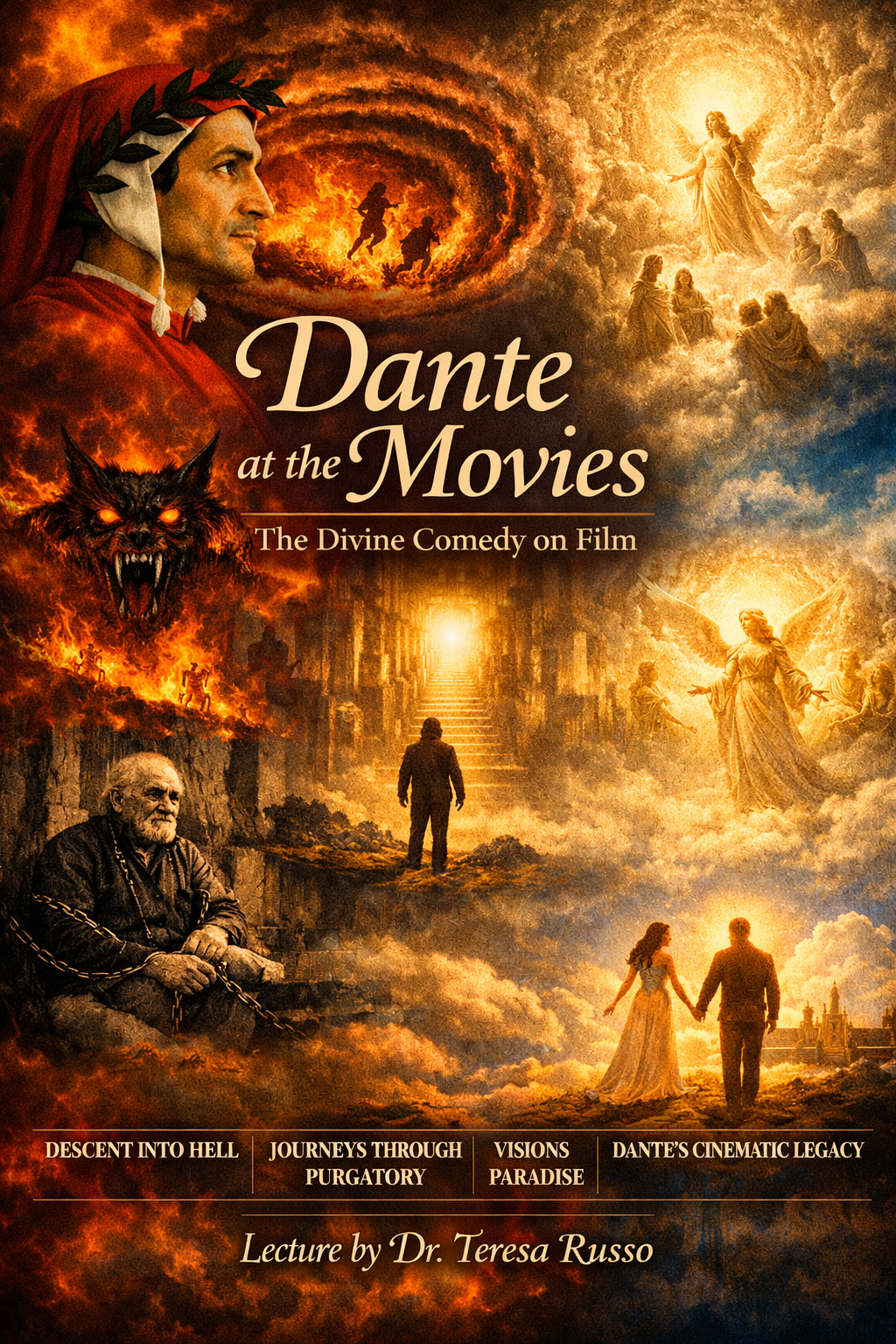
Dante at the Movies: The Divine Comedy on Film
Completed in 1321, Dante Alighieri's Divine Comedy remains among the most influential works in Western literature — and one of cinema's most enduring imaginative sources. This lecture examines the poem's cinematic afterlife, tracing how filmmakers across continents and decades have drawn on Dante's moral and visual architecture to shape stories of descent, reckoning, and transcendence.
Participants will explore a wide range of films — from Italian silent cinema to contemporary Hollywood and global arthouse — considering how directors translate Hell, Purgatory, and Paradise into the language of the screen: light, shadow, sound, movement, and symbolic space. Emphasis is placed not on strict adaptation, but on the deeper structural and thematic inheritance Dante has left on the moving image.
No prior familiarity with the Divine Comedy is necessary. Dr. Russo draws from a curated filmography of 28 titles organized across four thematic categories. This lecture highlights four representative films and is also available as a four-part series examining each category in depth.
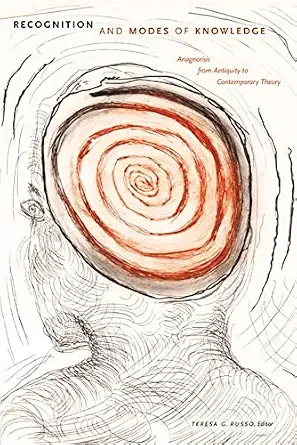
Recognition Theory and Anagnorisis from Antiquity to Contemporary Literary Practices
This lecture introduces audiences to the concept of anagnorisis, or recognition—one of the most enduring and generative ideas in the arts and humanities. From ancient drama to medieval scholasticism, from sacred texts to modern philosophy, psychology, and social theory, recognition functions as a universal mode of knowledge: a moment of insight, revelation, or self‑understanding that makes interpretation, narrative, and human connection possible.
Drawing on Dr. Russo’s edited volume Recognition and Modes of Knowledge, the talk traces how recognition operates across disciplines, cultures, and historical periods. It examines the phenomenon of recognition as both an intellectual fulcrum and a narrative engine, illuminating why thinkers and creators—from Aristotle to contemporary theorists—have relied on recognition to articulate ethical transformation, political awareness, and the dynamics of identity.
Ideal for audiences interested in narrative theory, interdisciplinary humanities, and the intellectual history of ideas, this session offers a compelling introduction to recognition as a foundational mode of knowledge—and to the landmark collection that brings this conversation together.
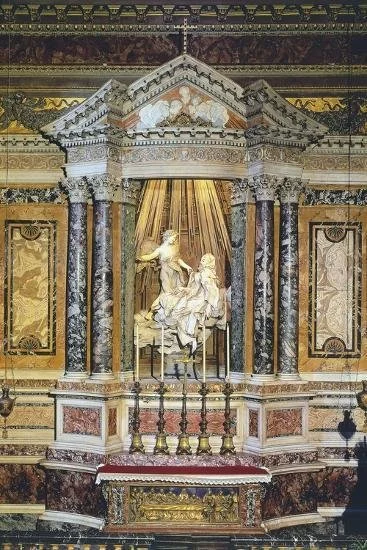
Anagnorisis in Medieval to Modern Art: Seeing, Knowing, Transforming
This lecture examines anagnorisis—recognition—as a central mode of knowledge in art from the medieval period to the modern day. Drawing on Teresa Russo’s research in Recognition and Modes of Knowledge, the talk explores how artists use moments of revelation, discovery, and self‑understanding to shape narrative meaning. From medieval devotional imagery and manuscript illumination to Renaissance painting and contemporary visual culture, recognition appears as a transformative event that structures how viewers interpret identity, truth, and human experience.
Across these periods, anagnorisis emerges as a cross‑cultural mode of knowledge, a narrative engine, and a visual strategy that artists use to illuminate the human experience.
Diaspora Series This series explores how communities across time preserve and reinterpret their cultural heritage from medieval perspectives to modern diasporic experiences. In addition, highlighting modern migrations of Italian American and Italian Canadian, migrations from the province of Dalmatia, and the Zoroastrian community of Pakistan, the program examines how identity, memory, and storytelling sustain cultural continuity across generations and geographies.
Discovering Bapsi Sidhwa: Stories of Memory, Migration, and Identity
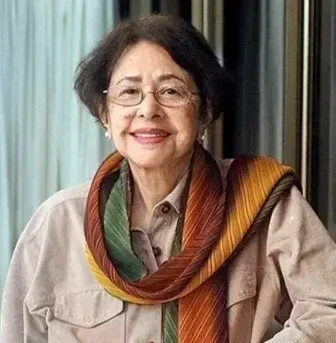
This talk introduces audiences to Bapsi Sidhwa, the celebrated Pakistani American novelist whose stories bring to life the humor, heartbreak, and resilience of communities navigating history and change. Beginning with her early novels—The Crow Eaters, a witty portrait of Parsi family life, and The Bride, a powerful narrative of gender and social constraint—the talk explores how Sidhwa blends storytelling with cultural insight.
We then turn to Cracking India, her most widely known work, which offers an unforgettable child’s‑eye view of the Partition of India, and An American Brat, a vibrant exploration of migration and the challenges of finding one’s place in a new world. Along the way, the talk highlights Sidhwa’s role as a cultural bridge between South Asia and North America, her collaboration with filmmaker Deepa Mehta, and the ways her novels continue to resonate with readers today.
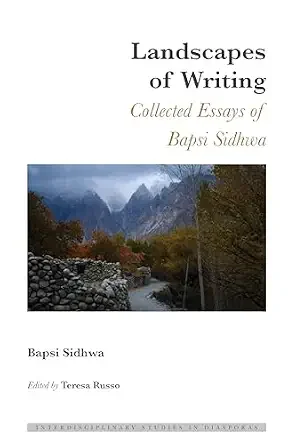
This session provides an engaging introduction to Sidhwa’s books, themes, and legacy. This talk is ideal for audiences interested in world literature, women’s writing, and stories that illuminate the human experience across borders. Dr. Russo came to know Bapsi Sidhwa personally through her editorial collaboration with Sidhwa and filmmaker Deepa Mehta on Landscapes of Writing.
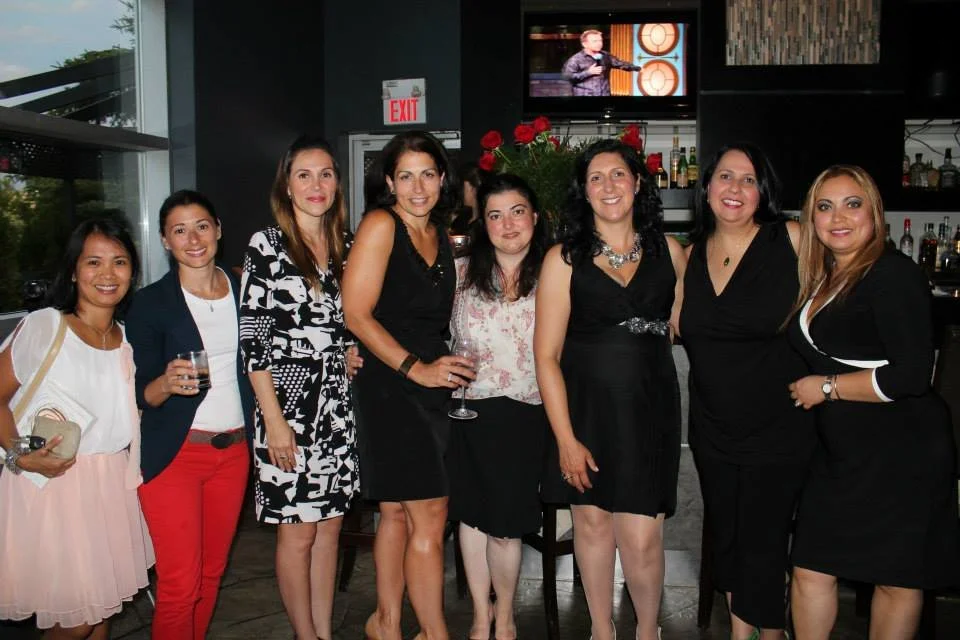
A Reading Circle: Pages & Prosecco
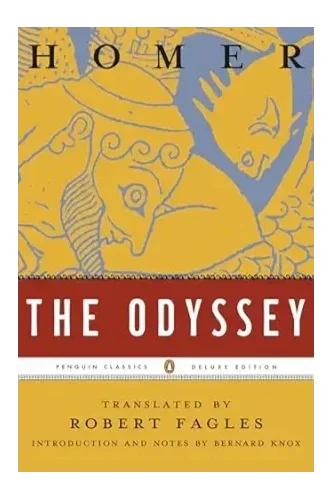
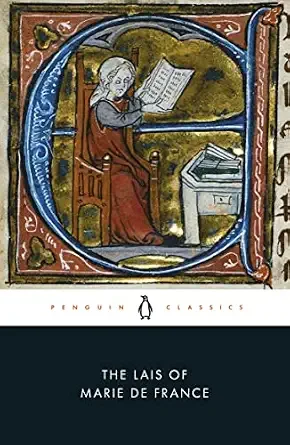
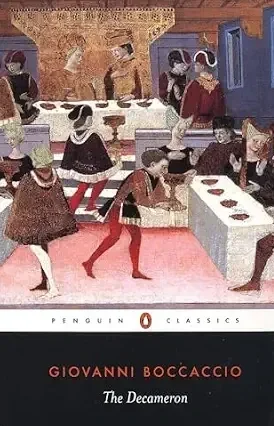
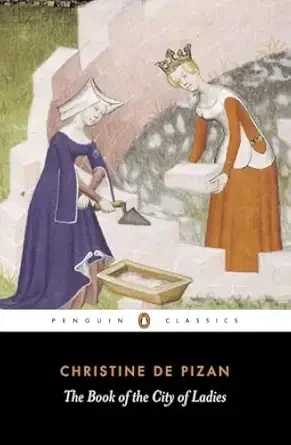
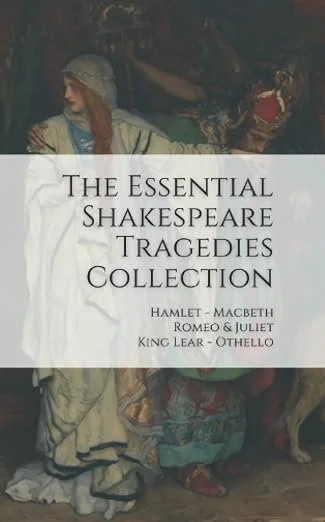
This commuity reading circle explores major works from Homer to Shakespeare to modern and contemporary authors, tracing how world authors shaped enduring themes of heroism, morality, love, and human identity. Through guided discussion with a literary expert, participants compare cultures and storytelling traditions, discovering how great literature reflects and transforms the societies that created it. Readings may include selections from Homer, Virgil, Augustine, Marie de France, Christine de Pizan, Dante, Chaucer, Shakespeare, Nizami Ganjavi, F. Scott Fitzgerald and your favorite authors.
Participants choose a text and may also choose to gather at a local restaurant or within your residential community for a relaxed “Pages & Prosecco” experience—reading together, sharing conversation, and enjoying a glass of prosecco as we explore great literature in good company. Books are available in audio format or can be purchased online; a link will be provided.
Minimum 5-8 participants in a restaurant • $40 per person with reading notes included • Prosecco not included
Minimum 8–12 participants in your community • $50 per person with reading notes included • Prosecco included
Teresa Russo offers a suite of lifelong‑learning programs designed to engage communities through art, literature, and cultural history. Lectures (1 hour; $50–$60 per participant) provide illustrated, discussion‑driven presentations with curated visuals and time for audience questions, while Extended Lectures (1.5 hours; $65–$75 per participant) offer deeper thematic exploration and expanded audience interaction. Book Club Sessions guide readers through selected texts with contextual insights and thoughtful conversation, and Special Event Programs (2 hours; $80–$100per participant) deliver custom‑designed experiences for holidays, exhibitions, and themed gatherings. Minimums range from 8 participants for standard programs to 10–12 for special events, ensuring a dynamic, engaging, and well‑balanced group experience. Please contact directly to discuss program options or pricing for your event.